

Effective Home Physiotherapy Services in Singapore
If you’ve recently undergone a total knee replacement or suffered a severe ligament tear, the prospect of navigating a bumpy taxi ride to a clinic in Orchard or Bukit Timah can feel like a secondary injury. Many patients find the logistical hurdle of travel often leads to missed sessions or inconsistent progress. You might worry that opting for home physiotherapy in Singapore means compromising on the specialised equipment or the senior expertise found in a high-end clinic. It’s a valid concern; rehabilitation shouldn’t be compromised just because it happens in your living room.
We believe your recovery environment should work for you, not against you. You can achieve hospital-grade rehabilitation directly at home without compromising on clinical quality or long-term outcomes. By bringing senior-level expertise and portable diagnostic tools to your doorstep, we bridge the gap between clinical theory and your actual daily movement patterns. This article explains how personalised attention from a senior therapist creates a clear, evidence-based path back to the East Coast cycling paths or your regular gym routine in the CBD. We’ll look at the biomechanics of home recovery and how to ensure your mobile sessions match the rigour of any hospital setting.
Key Takeaways
- Learn why modern mobile care has evolved beyond basic support to deliver evidence-based clinical interventions in your own living space.
- Understand how functional rehabilitation within your natural environment can often lead to better long-term adherence and movement patterns.
- Identify if you are the ideal candidate for home physiotherapy Singapore, particularly if you are recovering from surgery or managing chronic postural load.
- Get practical advice on preparing your home environment to ensure your assessment and manual therapy sessions are as effective as a clinic visit.
- Discover the benefits of direct access to senior clinicians who bridge the gap between our Bukit Timah centre and your home recovery.
Redefining Rehabilitation: The Clinical Shift to Home Physiotherapy in Singapore
Historically, home-based care was often viewed as a secondary option, reserved primarily for geriatric maintenance or those with severe mobility limitations. That perception is changing. Modern physiotherapy now encompasses sophisticated, evidence-based interventions delivered directly to your residence. This shift is not about mere convenience; it is a clinical-first strategy designed to optimise recovery. We are seeing a move away from passive treatments toward active, movement-based home physiotherapy. This approach ensures that the high standards of a boutique clinic are maintained whilst treating you in your own environment.
The Clinical Necessity of Mobile Care
Early post-surgery rehabilitation often carries what we call a "commute penalty." The physical strain of travelling to a clinic can increase inflammation and fatigue, potentially hindering the very recovery you are trying to accelerate. By removing this barrier, we can focus on functional outcomes that actually matter. If your goal is to climb the stairs in your Bukit Timah semi-detached or return to your home gym, training in that specific context is invaluable. All practitioners providing these services must be registered with the Allied Health Professions Council (AHPC). This ensures that clinical rigour remains consistent regardless of the setting.
Home vs. Clinic: Breaking the Quality Myth
There is a common myth that clinical quality is tied to heavy, stationary machinery. In reality, the most critical tool in musculoskeletal recovery is the clinical reasoning and manual skill of a senior therapist. Manual therapy, dry needling, and sophisticated exercise prescription travel exceptionally well. A private home setting allows for undiluted one-on-one attention, free from the distractions of a busy clinic floor. This focused environment often leads to more nuanced observations of your biomechanics. We don’t just provide a session; we integrate recovery into your lifestyle. For the office worker in the CBD or the runner on the East Coast, this means a more efficient path back to peak performance without the institutional feel of a hospital ward.
Evaluating the Efficacy: Is Home-Based Care as Effective as Clinic Visits?
A common concern amongst patients is whether they’ll achieve the same clinical milestones without the heavy resistance machines found in a traditional gym. It’s a valid question. However, the efficacy of rehabilitation doesn’t depend on the complexity of the equipment. It depends on the precision of the clinical reasoning. For many musculoskeletal conditions, the "gold standard" of care is movement-based therapy. Recent research on home-based rehabilitation suggests that outcomes for various conditions are entirely comparable to clinic-based visits, provided the sessions are led by a senior clinician. By opting for home physiotherapy, you aren’t choosing a compromised version of care. You’re choosing to integrate recovery into the very environment where you live and move.
Biomechanics and Environmental Load
Clinical Outcomes in Post-Surgical Recovery
The immediate period after hospital discharge is critical. Effective post-surgery rehabilitation at home focuses on managing swelling and stiffness before they become chronic issues. We monitor objective clinical markers, such as joint range of motion and muscle activation, without the physical toll of a commute. Recovering in a familiar space also has a significant psychological benefit. You feel more in control. As you gain strength, we eventually transition you back to high-load sessions at our clinic. If you’re currently managing a post-operative timeline, you might want to discuss a personalised home plan with our senior team to ensure no momentum is lost.
Identifying the Ideal Candidate for Mobile Musculoskeletal Support
Whilst many associate mobile clinical care with geriatric maintenance, the reality is that **home physiotherapy **is an increasingly vital tool for active adults and athletes. It is a strategic choice for anyone whose recovery is currently hindered by the physical cost of travel. This includes post-operative patients recovering from ACL reconstruction or joint replacements, where early-stage inflammation must be carefully managed. It also serves busy professionals in the CBD or Orchard who are dealing with chronic lower back pain or neck stiffness but cannot spare two hours for a clinic round-trip. When pain is acute or mobility is constrained, the home environment provides a stable base to begin the work of rehabilitation without the added stress of a commute.
Sports and High-Performance Rehabilitation
Athletes often require specialised sports physiotherapy immediately following an injury to address acute tendon irritation or significant strength deficits. For a runner on the East Coast or a cyclist training for their next event, the first few weeks of rehab are about protecting the tissue whilst maintaining as much functional load as possible. We bring the clinical expertise to your living room. This ensures your early-stage movement patterns are correct before you transition back to the high-intensity environment of a gym. It is about bridging the gap between the injury event and your return to sport with clinical precision.
Complex Pain Management
For conditions like frozen shoulder or complex joint issues, the initial phase of treatment is often focused on pain modulation and gentle capsular stretching. Managing this at home reduces the stress of travel, which can often exacerbate joint sensitivity and muscle guarding. We use manual therapy techniques to improve mobility in a relaxed, familiar setting. As you progress, we might suggest combining these home visits with shockwave therapy at our clinic to target specific tissue pathologies that require stationary technology. This hybrid approach ensures you get the best of both worlds: clinical convenience when you are most vulnerable and advanced technology when you are ready for higher loads.
Preparing for Your First Session: Optimising Your Home Environment for Recovery
Your first appointment is more than a simple check-in; it’s a comprehensive clinical screening. To get the most from home physiotherapy, you need to treat your living space as a temporary clinical annex. Choose a quiet, well-lit area where there is enough floor space for a therapist to set up a portable treatment table and for you to move freely. We suggest wearing athletic attire, such as shorts for knee issues or a loose top for shoulder assessments, to allow for accurate manual therapy and gait analysis. Have your medical reports or surgical discharge summaries ready. These documents provide the objective data we need to cross-reference with your current physical symptoms and biomechanical presentation.
The Clinical Walkthrough
We follow a disciplined three-step process during the initial visit. First, we conduct a subjective history and injury timeline analysis. This involves understanding how your symptoms behave under different postural loads throughout the day. Second, we perform an objective physical assessment. We test your mobility and identify specific strength deficits or movement compensations. Finally, we move into hands-on treatment and movement correction. This logical progression ensures that every intervention is based on a clear clinical hypothesis rather than guesswork. You’ll finish the session with a clear understanding of your recovery timeline.
Equipment and Space Requirements
Senior therapists arrive with the necessary tools for a high-level session, including portable treatment tables and resistance equipment. You don’t need a home gym, but you do need an environment free from distractions. Neuromuscular re-education requires significant cognitive focus. It is difficult to retrain a complex movement pattern whilst the television is on or household traffic is high. For elderly patients or those with balance issues, we also conduct a quick safety audit of the immediate area to identify potential trip hazards. This ensures the space is clinically safe for balance-focused exercises. If you’re ready to begin, you can book your initial home assessment with our senior team today.

The Benchmark Approach: Bringing Advanced Clinical Standards to Your Doorstep
Choosing a provider for **home physiotherapy **shouldn’t mean settling for a generalist approach. High-quality rehabilitation requires a senior clinician who can translate complex biomechanical principles into a residential setting. We ensure the clinical authority usually found in a hospital or premium clinic is mirrored in your own living space. You receive direct access to senior physiotherapists, all registered with the AHPC, who possess the specific experience required to manage complex post-surgical cases and sports injuries. This level of seniority is vital for identifying subtle movement compensations that a less experienced practitioner might overlook during a home assessment.
Our model provides a seamless integration between mobile care and our Bukit Timah clinic. Whilst your home serves as the primary site for functional retraining and manual therapy, our central facility remains available for advanced interventions like shockwave therapy or high-load gym work as you progress. This hybrid structure allows us to maintain clinical rigour across your entire recovery journey, ensuring you aren’t limited by the equipment available in your living room. We provide transparent fees and structured recovery timelines from the outset. You deserve to know exactly what your rehabilitation entails and the scientific milestones we expect to reach at each stage of the process.
Why Clinical Nuance Matters
Rehabilitation is not a "one-size-fits-all" exercise sheet. We prioritise the "why" behind every movement and intervention to empower your recovery. If we prescribe a specific loading protocol for a tendon, we explain the physiology of how it promotes tissue repair and collagen synthesis. This education is a core part of home physiotherapy. By understanding the scientific validation behind your programme, you are more likely to maintain adherence and achieve a successful outcome. We don’t just treat symptoms; we organise a path back to peak function based on objective data and documented patient outcomes, ensuring your recovery is grounded in clinical evidence.
Next Steps for Your Recovery
Initiating your recovery is straightforward and begins with a detailed clinical screening. You can book a consultation for your residence through our central booking system, where we will match you with a senior therapist suited to your specific condition. For ongoing progress monitoring between physical visits, we offer Telehealth options. This ensures you are never without clinical support, even on days when a home visit isn’t scheduled. Contacting us to discuss your specific rehabilitation needs is the first step toward reclaiming your active lifestyle. This clinical partnership supports your goal of returning to the golf course or simply navigating your home without pain.
Committing to a Clinical Recovery Path at Home
Effective rehabilitation is defined by the quality of clinical reasoning rather than the location of the treatment table. By choosing home physiotherapy, you are prioritising a recovery that is both scientifically rigorous and deeply integrated into your daily environment. This approach removes the commute penalty whilst ensuring that every movement correction is applied to the real-world biomechanics of your living space. You aren’t just managing symptoms; you are building a sustainable foundation for long-term mobility and performance.
Our AHPC-registered senior physiotherapists utilise an evidence-based clinical methodology to deliver hospital-grade care directly to your residence. Whether you are recovering from a complex joint replacement or managing chronic stiffness from a desk-bound role, we provide a structured pathway back to your peak physical health. This journey includes a seamless transition to clinic-based care at our Bukit Timah centre when you are ready for higher-load interventions. Recovery is a disciplined process, but with the right expert guide, returning to the East Coast paths or the gym is a realistic and achievable milestone. Book your clinical home physiotherapy assessment today to begin your journey toward active, pain-free movement.
Frequently Asked Questions
Is home physiotherapy in Singapore covered by private health insurance?
Most private health insurance policies in Singapore cover home-based rehabilitation, provided the practitioner is registered with the Allied Health Professions Council (AHPC). You should check your specific policy for "outpatient physiotherapy" or "mobile clinical care" clauses. We provide the necessary clinical receipts and detailed session notes to facilitate your claims process with major providers.
Do I need to provide any equipment for a home physio session?
You don’t need to provide any specialised equipment for your appointment. Our senior therapists arrive with portable treatment tables, resistance bands, and the diagnostic tools required for a high-level clinical assessment. All we require is a quiet, well-lit area with enough floor space for the table and for you to perform basic movement patterns safely.
How long does a typical home-based clinical session last?
A standard clinical session usually lasts between 45 and 60 minutes. This timeframe allows for a subjective review of your progress, manual therapy, and the supervised execution of your corrective exercise programme. Initial assessments may take slightly longer as we need to establish a comprehensive injury timeline and record baseline mobility markers for future comparison.
Can a home physiotherapist help with post-surgical wound care?
Physiotherapists do not provide primary wound care or dressing changes; these are nursing tasks. Our expertise lies in the musculoskeletal aspect of your recovery, such as managing joint stiffness and preventing muscle atrophy. If we notice any concerns with your surgical site during a **home physiotherapy **session, we will immediately advise you to contact your surgeon or a specialist nurse.
What is the difference between home physio and a home massage service?
Clinical physiotherapy involves a diagnostic assessment, objective testing, and evidence-based exercise prescription, whereas home massage is a passive treatment focused on general relaxation. Whilst we may use manual therapy to manage tissue tension, it’s always part of a broader strategy to improve your functional movement and long-term recovery outcomes. We focus on the "why" behind your pain, not just the symptoms.
How many sessions will I need before I see a measurable improvement?
Most patients begin to see measurable improvements in pain levels or mobility within three to five sessions. However, tissue healing is a biological process that follows specific timelines. A simple tendon irritation may settle quickly, whilst significant strength deficits following a joint replacement require a more sustained, progressive loading programme over several weeks to achieve lasting change.
Can I switch between home visits and clinic sessions during my recovery?
You can absolutely switch between home visits and clinic sessions as your mobility improves. Many patients begin with home-based care in the acute post-operative phase and transition to our Bukit Timah clinic once they are ready for higher-load gym equipment. This hybrid approach ensures clinical continuity and allows us to adjust the intensity of your rehabilitation as you get stronger.
Do you provide home physiotherapy services for children or athletes?
We provide specialised support for both athletes and paediatric cases requiring musculoskeletal rehabilitation. For athletes, we focus on sport-specific movement patterns and return-to-play protocols that can be initiated safely at home. For younger patients, we adapt our clinical approach to ensure exercises are age-appropriate whilst still meeting the necessary developmental and recovery milestones required for a full return to activity.
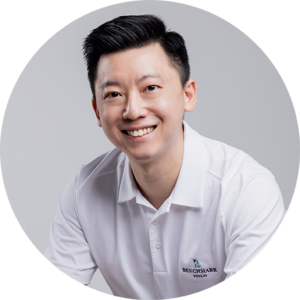
Article by
Ng Hong Kai
Hong Kai has been practising musculoskeletal physiotherapy for more than a decade. He is the first Singaporean to achieve dual credentials as both an APA Titled Musculoskeletal Physiotherapist and a tertiary trained Exercise Scientist.
Hong Kai's broad and extensive skillset allows him to create solutions that are simple, effective and tailored to a client’s musculoskeletal needs. His beliefs in continuing education and self improvement led him to complete his Masters in Clinical Physiotherapy (Musculoskeletal), where he had a chance to participate in formal research into knee osteoarthritis under the supervision of world renowned researcher and physiotherapist Prof Peter 0′ Sullivan. Hong Kai has experience treating a variety of musculoskeletal conditions, with a specific focus on addressing lower back, neck, shoulder and knee pain.
Medical Disclaimer
Our articles are written to help readers better understand musculoskeletal health, injury prevention and physiotherapy. Content is researched using current clinical guidelines and peer-reviewed evidence where appropriate, and is reviewed for accuracy before publication. However, the information is intended for educational purposes only and should not be considered medical advice, diagnosis, or treatment, and should not replace an assessment by a qualified healthcare professional.
Every individual is different, and the causes and appropriate management of pain or injury can vary significantly. If you are experiencing persistent pain, worsening symptoms, significant weakness, numbness, loss of bladder or bowel control, or have sustained a serious injury, seek prompt medical attention.
Reading this article does not establish a physiotherapist-patient relationship with Benchmark Physio or its clinicians. If you require personalised advice, assessment or treatment, please consult a qualified physiotherapist or your healthcare provider.